
Essential details
MOQ:1MG
Shipping:Express Delivery
Product Introduction
Efficacy
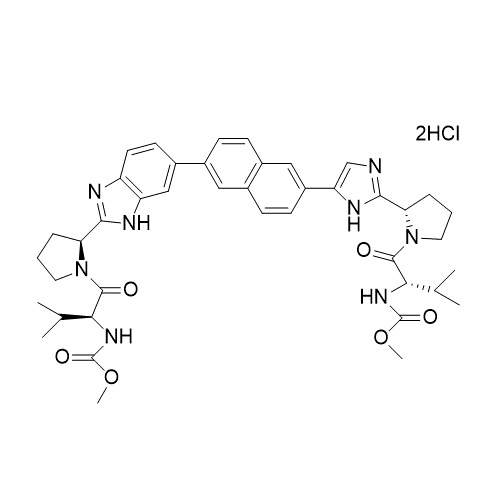
Raviradavir dihydrochloride is an antiviral drug used to treat hepatitis C virus (HCV) infection. When combined with another HCV NS3/4A inhibitor, danoprevir, it was approved by the CNMPA in July 2020 for the treatment of HCV.
Mechanism of action
Raviradine dihydrochloride is an orally administered HCV NS5A inhibitor that blocks viral replication by inhibiting the NS5A protein.
Clinical trial
In clinical trials, the all-oral combination therapy with ravapiravir dihydrochloride demonstrated a cure rate (SVR12) of up to 99% in non-cirrhotic HCV genotype 1 patients and exhibited a favorable resistance barrier.
Raviradavir dihydrochloride is an antiviral drug used to treat hepatitis C virus (HCV) infection. When combined with another HCV NS3/4A inhibitor, danoprevir, it was approved by the CNMPA in July 2020 for the treatment of HCV.
Mechanism of action
Raviradine dihydrochloride is an orally administered HCV NS5A inhibitor that blocks viral replication by inhibiting the NS5A protein.
Clinical trial
In clinical trials, the all-oral combination therapy with ravapiravir dihydrochloride demonstrated a cure rate (SVR12) of up to 99% in non-cirrhotic HCV genotype 1 patients and exhibited a favorable resistance barrier.

Synthesis
- Starting material: 2-bromonaphthalene;
- The core of the naphthalene-imidazole portion was assembled from 2-bromonaphthalene through the following three steps: - Friedel-Crafts acylation using chloroacetyl chloride and aluminum chloride to yield α-chloroketone. - Alkylation of α-chloroketone with N-Boc-L-proline (41) to obtain a diketone intermediate. - Heating in the presence of ammonium acetate to cyclize the diketone intermediate, forming imidazole 42.
- Miyaura boronation: Imidazole 42 underwent Miyaura boronation to yield the corresponding boronic ester.
- Suzuki coupling: The resulting boronic ester was coupled with benzimidazole 43 under Suzuki conditions, convergently assembling the benzimidazole-naphthalene-imidazole core 44.
- Deprotection and diacylation: The Boc protecting group was removed under acidic conditions, followed by diacylation using N-Moc-L-valine (45) and EDCI to produce ravidasvir free base.
- Salt formation: The ravidasvir free base was treated with hydrochloric acid and crystallized from ethanol and n-butyl acetate to obtain ravidasvir hydrochloride (VI).